


How To Plan a Commercial Move in Kent
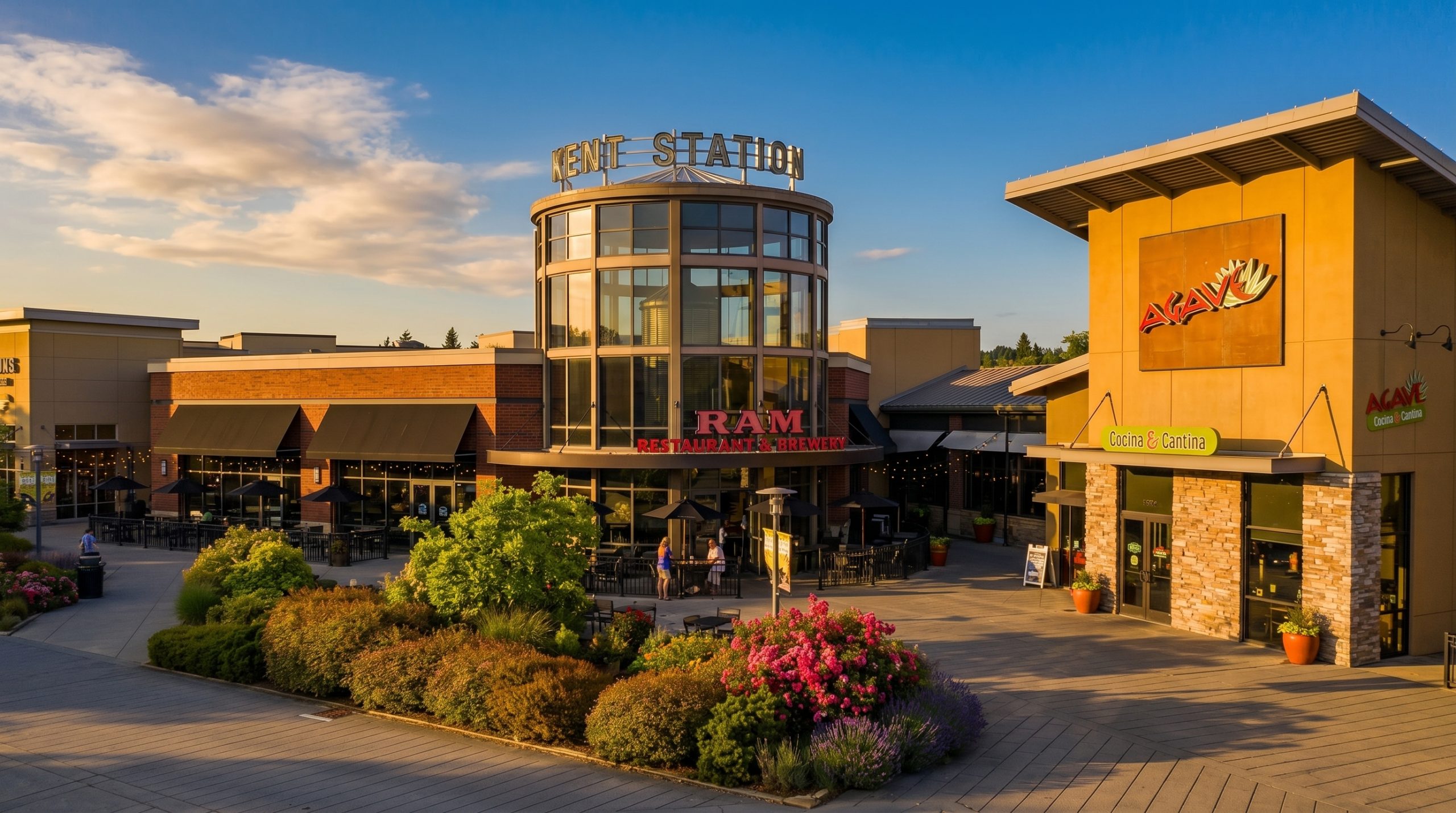
Most people think that Kent, WA is just another suburb between Seattle and Tacoma. The city of Kent is located inside the Kent Valley, one of the largest industrial and distribution regions on the West Coast. According to the Kent Chamber of Commerce, the Kent Valley is the second-largest industrial park on the West Coast and the third-largest distribution and warehouse area in the country, trailing only New York/New Jersey and Los Angeles. With Kent Valley having a population of 362,802 people according to the U.S. Census, it’s quite a feat to be in the same category as New York and Los Angeles.
Given how robust the distribution is in this Pacific Northwest region, a commercial move in Kent often looks different from a typical office relocation elsewhere. Chances are, you may be dealing with warehouse space, loading docks, and industrial equipment rather than just desks and filing cabinets. Maybe you need office movers in Kent, WA for a straightforward relocation. Or you could be looking for commercial movers in Kent, Washington for a full warehouse move. Regardless of the type of commercial move you’re making, here is how to plan for it.
1. Understand What Kind of Move You Are Actually Planning
Not all commercial moves look the same in Kent. Some businesses are relocating a standard office. Others are moving a warehouse or distribution center. Some are relocating manufacturing equipment tied to Kent’s aerospace and industrial supply chain.
According to the Kent Chamber of Commerce, the manufacturing and distribution industry in the Kent area ranks fourth among U.S. markets. Given this variable, a large share of local businesses fall into that second or third category rather than a simple office relocation. Knowing which type of move you are planning early on shapes everything else, from your timeline to the equipment your movers will need.
2. Set a Realistic Timeline
A small office move can often be planned in four to six weeks, according to Consumer Affairs. A warehouse, distribution center, or manufacturing facility move usually needs more lead time. Usually it takes eight to twelve weeks or more of prep time, especially if it involves several loading docks, heavy equipment, or coordination with rail access.
Kent’s industrial layout means larger moves are rarely simple point-to-point jobs. Give yourself enough runway to coordinate scheduling, staging, and any building or dock access requirements before your target move date.
3. Account for Kent’s Industrial Geography
Kent’s location is part of what makes it such a strong business hub. However, Kent’s location also adds a few planning considerations most office movers in other cities do not have to think about.
The city sits close to SeaTac International Airport and Boeing Field. A large portion of the Kent Valley is built around rail access and freight movement rather than typical downtown office traffic. The commercial moving services you hire need to know if your building has dock scheduling requirements, shares access with neighboring warehouse tenants or sits along a rail spur. These kinds of details should be planned for from the start, not figured out on moving day.
4. Inventory Equipment and Specialty Items
If your business is in manufacturing, aerospace supply, logistics, or warehousing, your inventory list looks very different from that of a typical office move. Instead of desks and chairs, you may be moving pallet racking, forklifts, production equipment, or specialized fixtures.
Walk through your space and separate standard office items from anything that requires special handling. These actions will help your mover bring the right equipment and crew size. Another benefit of doing a walkthrough is that it helps you get an accurate estimate rather than a rough guess.
5. Plan for Storage Needs
Commercial moves are rarely point-A-to-point-B operations. There could be a gap in a lease, a phased type of relocation or an ongoing renovation that creates a need for short-term storage. If a business is moving between a warehouse or an industrial space, the dates are unlikely to line up perfectly.
It’s best to plan for storage ahead of time, rather than waiting until the last minute. Make sure you keep your equipment and inventory secure. This will help keep your relocation on schedule.
6. Minimize Downtime
Usually the most costly item for a commercial move is the time lost at the workplace. The best time to relocate an office is usually in the evening or on weekends. A big part of minimizing downtime is coordinating IT and server relocation, if applicable. Ensure everything your team needs is in place well in advance to minimize disruption.
7. Choose the Right Kent Movers for the Job
Not every mover is equipped to handle Kent’s mix of standard office relocations and industrial or warehouse moves. Before hiring commercial movers in Kent, WA, confirm they are licensed and insured, ask about their experience with businesses similar to yours, and get a written estimate after a walkthrough of your space.
Mountain Moving & Storage has experience with commercial relocations throughout Kent and the greater Puget Sound area. We are equipped to handle standard office moves in Kent, WA, as well as warehouse and industrial relocations. If you are planning an office or business relocation in Kent, our team can help you develop a plan that fits your business, timeline, and budget.